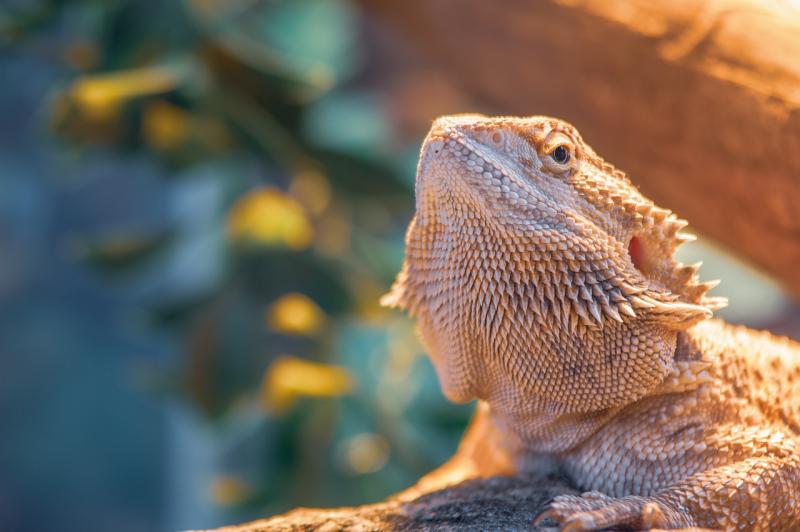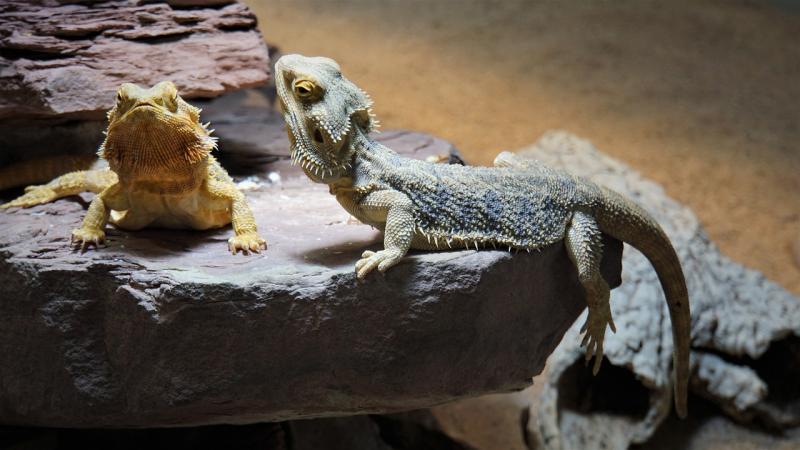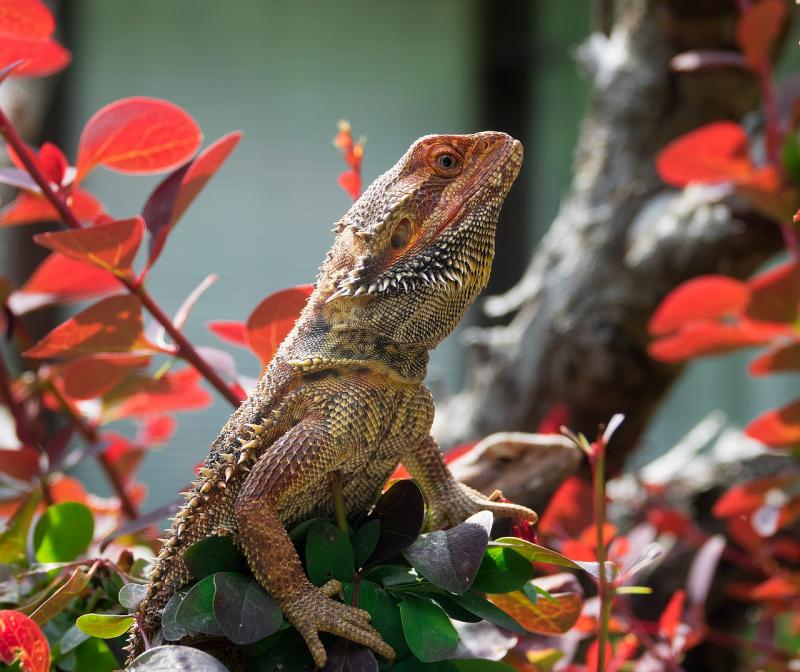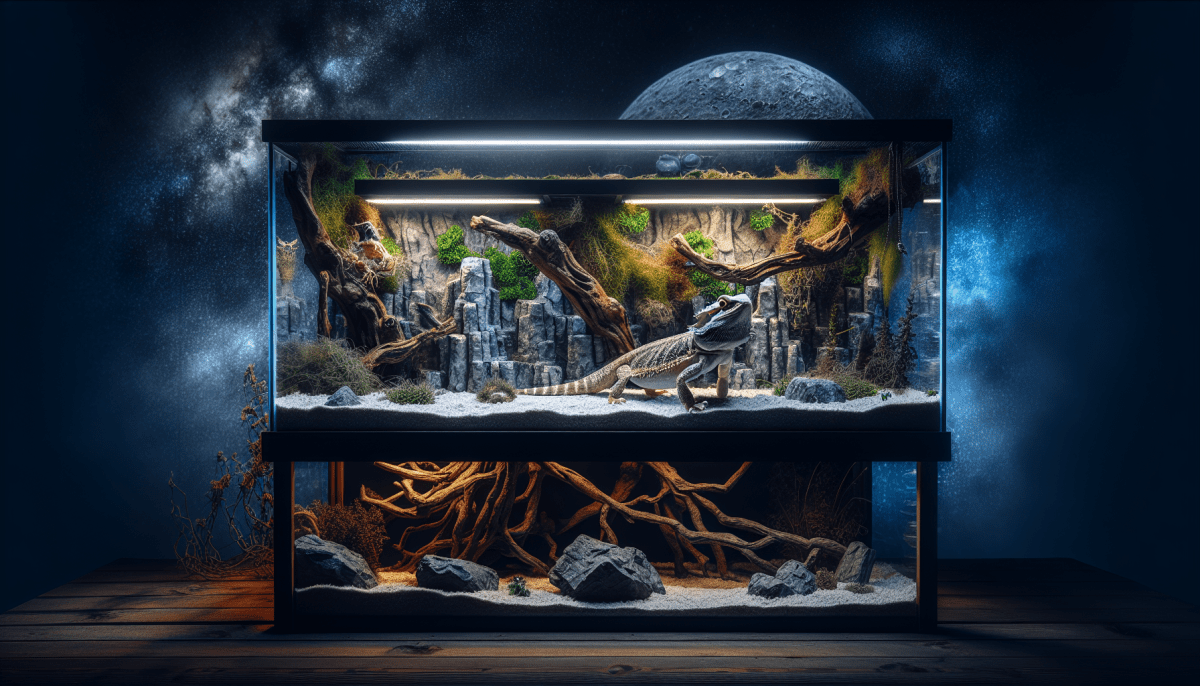
When it comes to creating an ideal terrarium for your bearded dragon, designing a natural habitat is essential. Bearded dragons, also known as "beardies," hail from the arid regions of Australia, so it's important to mimic their natural environment as closely as possible.
Choosing the Right Terrarium
The first step in crafting your bearded dragon's ideal terrarium is selecting the right enclosure. A spacious glass tank is recommended, as it provides excellent insulation and visibility. A 40-gallon tank is a suitable size for a single adult bearded dragon, but larger tanks are encouraged for multiple dragons or juvenile reptiles.
Ambient Temperature and Lighting
Bearded dragons require a warm and comfortable environment to thrive. Maintaining a consistent temperature gradient is crucial to their well-being. Ensure that one side of the tank is warmer, with a basking spot heated by a reptile-specific bulb. The temperature in this area should be around 100-110°F (37-43°C), while the cooler end of the tank should stay around 80-85°F (26-29°C).
In addition to warmth, proper lighting is vital for your dragon's health. They need access to both UVA and UVB light to synthesize vitamin D3 and absorb calcium efficiently. Full-spectrum UVB bulbs should be used in conjunction with a timer to provide 10-12 hours of light per day, mimicking their natural day-night cycle.
Substrate Options
Choosing the right substrate for your terrarium is crucial for easy maintenance and good hygiene. Newspaper or reptile carpet are popular choices as they allow for easy cleaning. Avoid using loose substrates like sand or wood shavings, as these can cause impaction if accidentally ingested.
Creating an Arid Environment
Since bearded dragons are native to arid areas, replicating their natural surroundings is important. Use terrarium décor that mimics their habitat, such as rocks, branches, and hide spots. These elements not only provide an engaging environment for your dragon but also serve as basking spots and areas for climbing and exploration.
It's recommended to include a shallow water dish for your bearded dragon to bathe and hydrate in. However, make sure the dish is not too deep to avoid the risk of drowning.
Nutrition and Feeding
As omnivores, bearded dragons have a diverse diet consisting of both insects and vegetables. Provide a variety of gut-loaded insects like crickets, mealworms, and dubia roaches, while also including leafy greens and vegetables such as collard greens, mustard greens, and squash. Calcium and vitamin D3 supplements should also be incorporated into their diet at recommended intervals.
Remember to clean your dragon's food dish regularly to maintain hygiene and prevent bacterial growth.
Maintaining a Clean Environment
Regularly cleaning your dragon's terrarium is crucial to ensure their well-being. Spot cleaning feces, replacing uneaten food, and removing shed skin should be done daily. A thorough cleaning of the entire enclosure, including the terrarium décor, should be conducted at least once a month. Use a reptile-safe disinfectant to clean the tank, but ensure it is rinsed thoroughly before reintroducing your dragon.
Creating an ideal terrarium for your bearded dragon requires effort, research, and attention to detail. By providing a natural habitat that closely resembles their native environment, you can ensure your dragon is living happily and healthily.
Essentials for Bearded Dragon Bliss: Furnishing the Terrarium
Creating a comfortable and stimulating environment is essential for the overall well-being and happiness of your bearded dragon. In this article, we will explore some crucial elements that you should consider when furnishing your bearded dragon terrarium.
1. The Perfect Habitat
A spacious and properly sized habitat is the foundation for a happy bearded dragon. Adult beardies should have a terrarium that is at least 40 gallons in size. However, it’s always better to provide a larger enclosure if possible. Younger dragons can start with a smaller terrarium and then upgrade as they grow.
The terrarium should have a secure lid to prevent any accidental escapes and ensure your dragon’s safety. Choose a sturdy enclosure made of glass or PVC, as both materials provide excellent insulation and are easy to clean.
2. Heat and Light
Bearded dragons are cold-blooded reptiles and require a warm environment to thrive. It is crucial to provide them with a temperature gradient within their enclosure. One end of the terrarium should be warmer, around 95-105 degrees Fahrenheit (35-40 degrees Celsius), while the other end should be cooler, around 75-85 degrees Fahrenheit (24-29 degrees Celsius).
To achieve and maintain the ideal temperature, invest in a reliable heat source such as a basking lamp or a ceramic heat emitter. Use a good quality thermostat to regulate the temperature accurately and avoid any overheating.
Along with heat, bearded dragons also require access to UVB light to synthesize Vitamin D3 and promote proper calcium metabolism. Invest in a high-quality UVB bulb and place it over a designated basking spot in the enclosure. Remember to replace the bulb regularly, as it loses its effectiveness over time.
3. Substrate Selection
Choosing the right substrate, or flooring, is essential for maintaining hygiene and minimizing the risk of impaction. Avoid loose substrates such as sand, wood shavings, or gravel, as they can be ingested by your dragon and cause digestive issues.
An ideal substrate choice for bearded dragons is reptile carpet or ceramic tiles. These options are easy to clean, provide good traction for your dragon, and eliminate the risk of accidental ingestion.
4. Hiding Spots and Climbing Accessories
Creating a variety of hiding spots and climbing opportunities will help replicate a more natural environment for your bearded dragon. Provide rocks, branches, or commercially available reptile hides for them to explore and seek shelter.
Having different levels and perches in the terrarium will encourage physical exercise and stimulate natural behaviors. Consider adding platforms or branches to create a multi-dimensional environment for your dragon to climb and bask.
5. Water and Food Dishes
Bearded dragons need access to fresh water, but they may not drink directly from a dish. Instead, they often prefer to soak in it for hydration. Place a shallow and large enough dish in the enclosure to allow your dragon to soak comfortably.
In addition to the water dish, place separate dishes for the dragon’s food. Use shallow, easily cleanable bowls to serve a variety of fresh vegetables, fruits, and protein sources. These dishes will help maintain cleanliness in the terrarium and prevent cross-contamination.
Remember to clean and sanitize the dishes regularly to ensure your dragon’s health and prevent the growth of harmful bacteria.
By paying attention to these essential elements when furnishing your bearded dragon terrarium, you are setting the stage for a happy and content dragon. Prioritize providing a comfortable habitat with proper heat and light sources, a suitable substrate, stimulating accessories, and designated areas for water and food.
Creating an ideal terrarium will not only ensure the well-being of your bearded dragon but also allow you to observe and enjoy their natural behaviors and personality to the fullest.
Maintaining a Safe and Stimulating Home: Terrarium Care Tips
Creating the perfect living space for your bearded dragon is not only essential for their well-being but also a rewarding experience for reptile enthusiasts. A well-crafted terrarium can offer a safe and stimulating environment for your scaly friend to thrive in. To help you in this endeavor, we have compiled some essential care tips for maintaining an ideal bearded dragon terrarium.
1. Proper Size and Material
The size of the terrarium is crucial for the overall comfort of your bearded dragon. It should be large enough to allow them to move around and stretch their legs comfortably. As a general guideline, a tank with a minimum size of 40-gallon is recommended for adult bearded dragons. Additionally, ensure that the material of the terrarium is sturdy and easy to clean, such as glass or acrylic.
2. Temperature and Humidity Regulation
Bearded dragons are cold-blooded creatures and require specific temperature gradients to regulate their body temperature effectively. Set up a basking spot using a heat lamp or ceramic heater at one end of the enclosure, maintaining a temperature of around 95°F to mimic their natural sunbathing behavior. The opposite end can be kept cooler, around 75°F. Additionally, maintaining a humidity level of 30-40% is vital for your dragon's hydration and respiratory health.
3. Lighting and UVB Exposure
Bearded dragons require proper lighting, especially UVB exposure, to synthesize vitamin D3 and absorb calcium. Invest in a good quality UVB lamp specifically designed for reptiles. The lamp should cover 2/3rd of the tank and be placed 10-12 inches away from the basking spot. It is crucial to replace the UVB bulb every six months to ensure its effectiveness.
4. Substrate Selection
Choosing the right substrate for your terrarium is essential for your dragon's digestive health and safety. Avoid loose substrates like sand or wood chips to prevent the risk of impaction if accidentally ingested. Instead, opt for reptile carpet, paper towels, or tile as a safe substrate alternative.
5. Foliage and Climbing Opportunities
Incorporating foliage and climbing structures in the terrarium allows your bearded dragon to explore and exercise their natural instincts. Provide sturdy branches, rocks, or reptile-safe plants as climbing opportunities. This not only creates a stimulating and enriching environment for your dragon but also helps them feel secure in their surroundings.
6. Regular Cleaning and Maintenance
Maintaining a clean terrarium is crucial to your bearded dragon's health. Regularly remove feces, uneaten food, and shed skin to prevent the buildup of bacteria. Clean all surfaces and accessories with reptile-safe cleaners and avoid using harsh chemicals that can be harmful to your pet.
By following these care tips, you can create a safe and stimulating home for your bearded dragon. Remember to observe your dragon's behavior closely and make adjustments as necessary to meet their specific needs. With a well-maintained terrarium, your scaly companion will lead a healthy and happy life!