Understanding Bearded Dragon Diets: A Comprehensive Overview
Bearded dragons are fascinating reptiles that make great pets. They are known for their unique appearance, including a beard-like projection under their chin. As with any pet, it is essential to provide these creatures with a healthy, balanced diet to ensure their well-being.
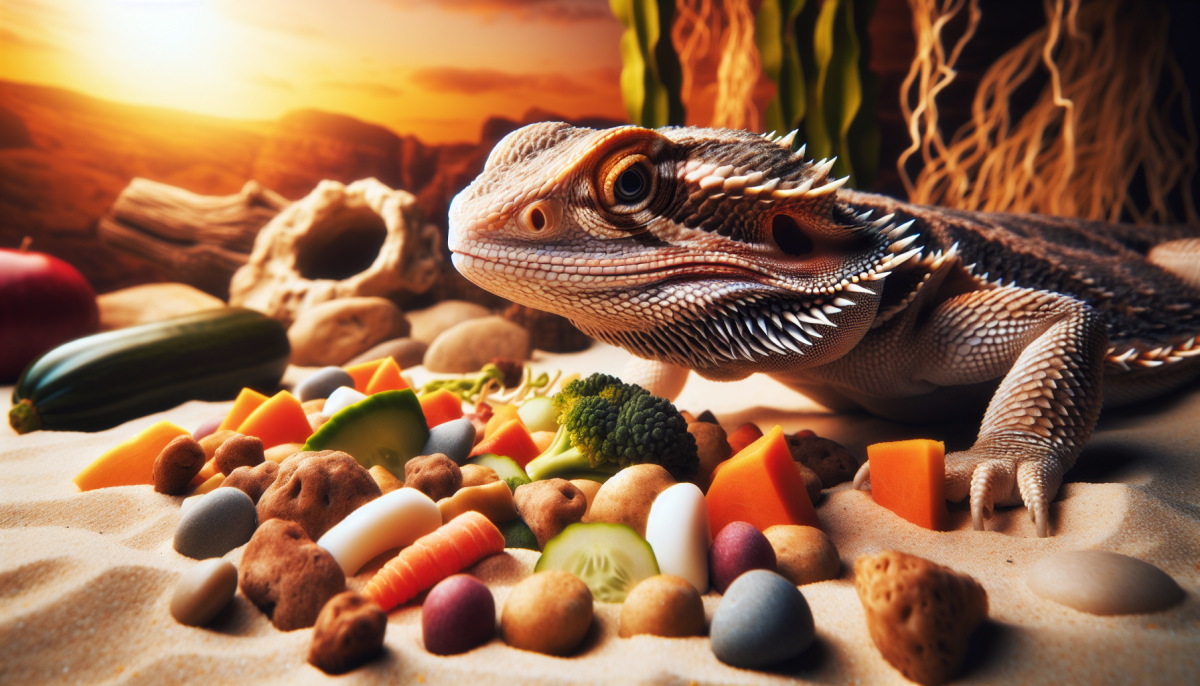
Unlike us humans, bearded dragons are omnivorous, meaning they eat both plants and animals. Their diet consists primarily of insects and vegetables, with occasional fruit treats. Let's take a closer look at what you should feed your bearded dragon and how to do it properly.
1. Insects:
In the wild, bearded dragons catch a variety of insects, such as crickets, mealworms, dubia roaches, and occasional spiders. When it comes to feeding your bearded dragon insects, it's crucial to ensure they are gut-loaded. Gut-loading refers to feeding the insects with nutritious food to pass on those nutrients to your pet. You can use a commercial gut-loading formula or provide fresh fruits and vegetables to the insects before feeding them to your dragon. Additionally, be sure to dust the insects with calcium and vitamin D3 supplements to meet their nutritional needs.
2. Vegetables:
Bearded dragons require a good amount of leafy greens and vegetables in their diet. These should make up about 25-30% of their overall food intake. Leafy greens like collard greens, mustard greens, and turnip greens are excellent choices. Offer a variety of brightly colored vegetables, including bell peppers, carrots, and squash. Remember to chop the vegetables into small, manageable pieces to make it easier for your dragon to eat.
3. Fruits:
While fruits are not a significant part of a bearded dragon's diet, they can serve as occasional treats. Offer small pieces of fruits like blueberries, strawberries, and pears as a reward or to entice them to eat their vegetables. However, be cautious not to overdo it, as too much fruit can cause digestive issues due to its high sugar content.
4. Water:
Proper hydration is crucial for bearded dragons. Always have a shallow water dish available for them, ensuring it's clean and fresh. Most bearded dragons will not drink from a water dish, but they may soak in it to hydrate through their skin. Additionally, you can mist their enclosure with water to increase humidity levels and provide them with moisture.
Now that we understand what to feed our bearded dragons, let's delve into how often and how much to feed them.
- Juvenile bearded dragons should be fed daily, with a mixture of insects and vegetables. Offer as much food as they can consume within 10-15 minutes, removing any remaining leftovers.
- Adult bearded dragons can be fed every other day or every two days. Adjust the portion size to prevent overfeeding, as obesity can lead to serious health problems.
Remember, bearded dragons are individualistic eaters, and their preferences may vary. Keep an eye on their appetite, weight, and overall behavior to ensure they are getting the right nutrition and staying healthy.
In conclusion, providing a balanced diet is vital for the well-being of your bearded dragon. By incorporating a variety of insects, leafy greens, and occasional fruits, you can ensure your pet receives the necessary nutrients. Remember to gut-load and supplement the insects, and always provide fresh water for hydration. With proper feeding, your bearded dragon will thrive and live a happy, healthy life.
Optimal Meal Timing for Bearded Dragons: Creating a Healthy Routine
Feeding your bearded dragon with a healthy and well-balanced diet is crucial for their overall well-being. But it’s not just about what you feed them. The timing of their meals plays a vital role in ensuring they receive the necessary nutrients and maintain good health. In this article, we will explore the optimal meal timing for bearded dragons and how to create a healthy routine for your scaly friend.
Morning Feeding:
As the day begins, it’s important to offer your bearded dragon a nutritious breakfast. This will kickstart their metabolism and provide them with the energy they need for the day ahead. The morning feeding should consist of fresh vegetables and leafy greens. You can also include a small portion of fruits, but remember to remove any seeds to avoid potential digestive issues.
Additionally, provide them with some protein in the form of live insects such as crickets or dubia roaches. These insects offer essential nutrition and satisfy your bearded dragon's natural hunting instincts. The morning feeding is a great opportunity for them to get their fill before settling down for a basking session to aid digestion.
Afternoon Snack:
During the afternoon, it’s ideal to offer your bearded dragon a small snack. This can consist of a mix of leafy greens and a small amount of vegetables. The idea here is to provide them with a light and refreshing meal that complements their morning feeding. Remember to chop the vegetables into small, bite-sized pieces to make them easier to consume.
Avoid giving your bearded dragon excessive amounts of fruit during the afternoon snack. While fruits are a tasty treat, they can also be high in sugar, and too much sugar can lead to weight gain or other health issues. It’s best to reserve fruit as an occasional treat rather than a regular part of their diet.
Evening Meal:
The evening meal is an excellent opportunity to offer your bearded dragon a final feeding for the day. This meal should consist mainly of leafy greens and vegetables, with a smaller portion of protein. You can swap the live insects for cooked protein sources like mealworms or small pieces of cooked chicken or fish. Remember to cut the protein into manageable bites to avoid any choking hazards.
Feed the evening meal a few hours before your bearded dragon's bedtime. This will allow enough time for digestion before they retire for the night. Adequate digestion is essential to ensure your pet doesn't experience any discomfort or digestive issues during the night.
Water Availability:
Aside from the three main meals, it’s vital to ensure your bearded dragon has constant access to fresh, clean water. You can place a shallow water dish in their enclosure or offer water through a misting system. Bearded dragons predominantly hydrate through soaking, so providing a shallow water dish for them to soak in is highly beneficial. Remember to change the water regularly to maintain cleanliness.
In conclusion, establishing an optimal meal timing routine for your bearded dragon is key to maintaining their health and well-being. By providing a nutrient-rich breakfast, a light afternoon snack, and a final evening meal, you are ensuring they receive the necessary nutrition and energy throughout the day. Remember to offer fresh water at all times and observe your bearded dragon's behavior to ensure they are thriving on their feeding schedule. With a proper meal timing routine, your scaly friend will live a happy and healthy life.
Mastering Feeding Techniques for Bearded Dragons: Tips and Tricks
Feeding your bearded dragon properly is crucial for their overall health and well-being. These amazing creatures have specific dietary needs that need to be met to ensure they thrive. In this article, we will discuss some essential tips and tricks to help you master the feeding techniques for your beloved bearded dragon.
1. Know Their Diet
Bearded dragons are omnivorous, meaning they eat both plants and insects. Their diet mainly consists of leafy greens, vegetables, and a variety of insects. It is important to provide a well-balanced mixture of these food items to meet their nutritional needs.
Avoid feeding your bearded dragon foods high in fat or oxalates, such as spinach and lettuce, as they can be harmful in excess. Instead, opt for nutritious options like collard greens, mustard greens, kale, and dandelion greens to ensure they get the proper vitamins and minerals.
2. Offer a Variety of Insects
Insects play a vital role in a bearded dragon's diet. They provide essential protein and other nutrients necessary for their growth and development. Some popular insect options include crickets, mealworms, silkworms, and dubia roaches.
Make sure to dust the insects with a calcium supplement before feeding them to your bearded dragon. This helps prevent calcium deficiency, which can lead to metabolic bone disease.
3. Gut Loading and Hydration
Gut loading is the process of feeding nutritious foods to the insects. This enhances their nutritional value before they become a meal for your bearded dragon. Additionally, provide fresh water to both your dragon and the insects regularly to ensure proper hydration for both parties.
You can also mist the enclosure daily with water to maintain the humidity levels and allow your bearded dragon to drink water droplets from plant leaves.
4. Feed Appropriately-Sized Food
Young bearded dragons have different dietary requirements compared to adults. It's important to feed them appropriately-sized food items they can handle easily. For instance, smaller insects and smaller pieces of leafy greens should be provided initially. As they grow, you can gradually increase the size of their food.
5. Establish a Feeding Schedule
Having a consistent feeding schedule is beneficial for your bearded dragon, as it helps them regulate their digestive system. Typically, dragons under a year old should be fed 2-3 times per day, while adult dragons can be fed once or twice a day.
When setting up their feeding schedule, make sure to monitor their activity levels and adjust the amount of food accordingly to avoid over or underfeeding.
6. Utilize Feeding Accessories
There are various accessories available that can aid in feeding your bearded dragon. Feeding dishes or platforms can be used to present food, making it easier for your dragon to reach and eat. Additionally, providing a clean and hygienic environment for feeding is essential to prevent any potential health issues.
By implementing these tips and tricks, you can master the feeding techniques for your bearded dragon and provide them with a healthy and nutritious diet. Remember, a well-fed dragon is a happy and thriving dragon!